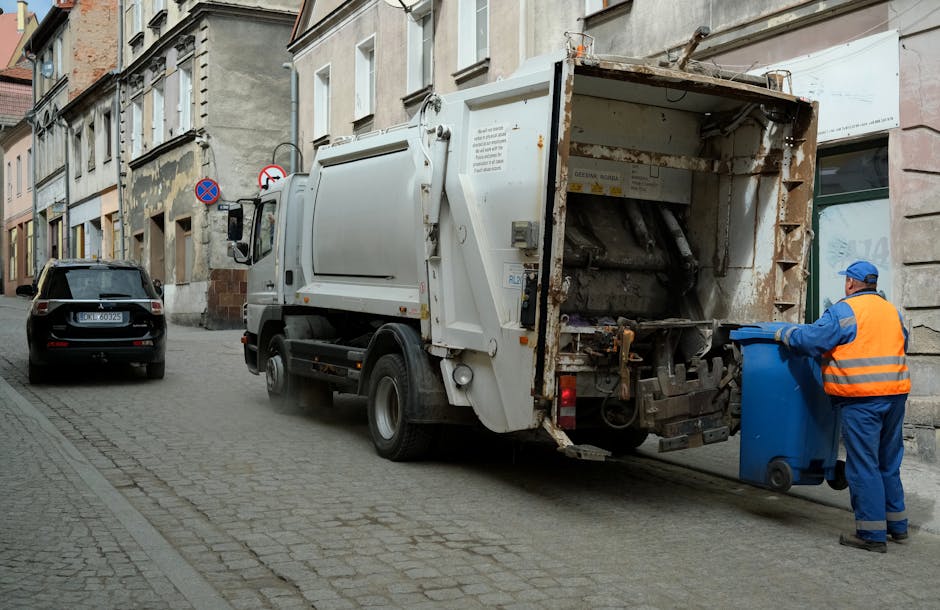
Abbeville Road fast rubbish collection tips for busy households
Posted on 15/07/2026
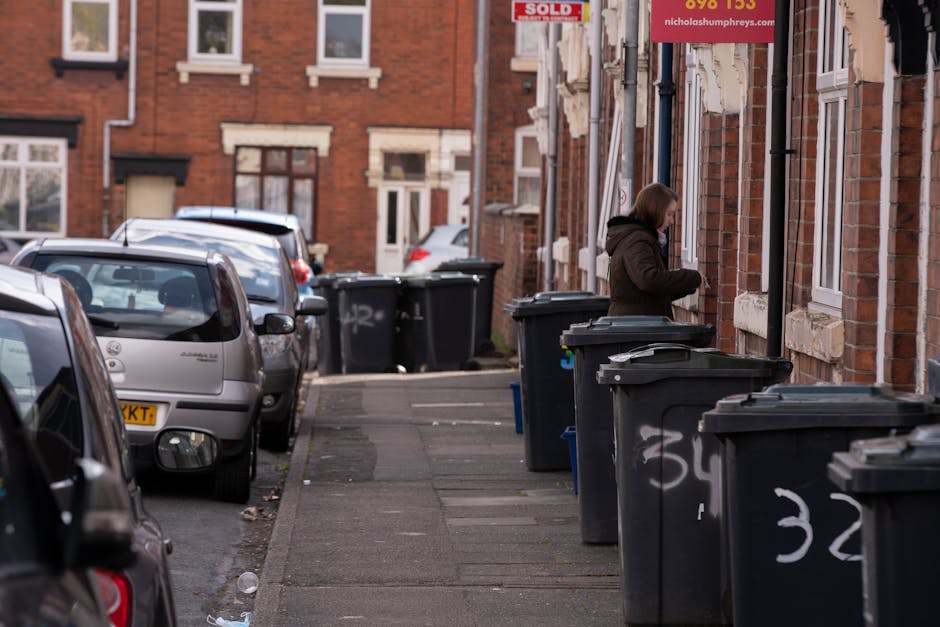
Life on and around Abbeville Road can move quickly. School runs, commuting, groceries, work calls, and the usual family shuffle leave very little room for a bulky pile of rubbish sitting in the hallway. That is exactly why Abbeville Road fast rubbish collection tips for busy households matter: they help you clear space without turning the whole week upside down.
This guide is written for households that need rubbish gone fast, but still want the job handled properly. You will find practical ways to sort waste before collection, plan around tight schedules, avoid common mistakes, and decide when a professional collection is the most sensible option. Truth be told, a well-timed clearance can make a home feel calmer almost instantly.
Whether you are dealing with an end-of-tenancy clear-out, a broken wardrobe, garden cuttings, or a few weeks of accumulated clutter, the goal is the same: get rid of it efficiently, safely, and with as little disruption as possible.
- Why it matters
- How it works
- Key benefits
- Who this is for
- Step-by-step guidance
- Expert tips
- Common mistakes to avoid
- Tools, resources and recommendations
- Law, compliance and best practice
- Options and comparison
- Case study example
- Practical checklist
- Conclusion
- Frequently asked questions
Why Abbeville Road fast rubbish collection tips for busy households Matters
Busy households do not usually create rubbish in neat, predictable batches. It builds up in fragments: a dismantled cot, a few bags from a loft sort-out, a dead appliance in the utility room, packaging from a delivery that arrived just before dinner. By the time you notice, the clutter has started to get in the way of everyday life.
Fast rubbish collection matters because it protects your time. If you only have a small window between school pickup and an evening meeting, or if weekends are already packed, a slow, drawn-out clearance can become another task that sits on your mental load. And nobody needs that. Not really.
There is also a practical side. Piles of waste can block hallways, attract pests, create trip hazards, and make cleaning harder than it should be. In a family home, especially one with children, elderly relatives, or pets, that matters more than people sometimes admit.
For Abbeville Road households, local convenience is part of the appeal. You want a collection that fits around your day, not the other way around. That may mean combining your rubbish into one clear load, booking at a sensible time, or using a collection team that can load quickly and leave the area tidy. When done well, the whole process feels almost invisible.
One more thing: fast collection is not just about speed. It is about making the right things easy to remove and the wrong things easy to avoid. That includes separating recyclable items, checking what cannot be taken, and planning access so nobody is carrying a sofa through a narrow doorway while someone else is trying to leave for work.
How Abbeville Road fast rubbish collection tips for busy households Works
Fast rubbish collection works best when the household does a little preparation before the vehicle arrives. In practice, that usually means knowing what needs to go, where it is located, and whether anything needs special handling. A clear plan saves time on both sides. It sounds obvious, but it makes a surprising difference.
Most efficient collections follow a simple pattern:
- You identify the waste and roughly estimate the volume.
- You sort items into categories such as general rubbish, furniture, garden waste, or appliances.
- You make access as straightforward as possible, for example by moving items near the front of the property or keeping a path clear.
- The collection team loads and removes the items in one visit.
- Usable recyclables are separated where appropriate, and the waste is taken for responsible processing.
That process can be quick, but only if the household has done a bit of pre-sorting. If everything is mixed together in a spare room, the collection slows down. If fragile items are hidden behind heavy ones, the team has to work around them. If an appliance still has water in it, the job gets awkward. Fast does not mean rushed; it means prepared.
For many homes, the easiest setup is to stage items in one area: the front garden, hallway, driveway, or a room with straightforward access. If you live in a flat or a property with limited access, planning matters even more. Stair width, parking space, and loading distance can all influence how quickly the clearance happens.
That is where a domestic waste collection service often fits neatly. If you are not trying to fill a skip or organise multiple trips yourself, a one-off collection can handle the lot in a single sweep. For families, that single sweep is often the real value. Fast in, fast out, and the house feels usable again by tea time.
Key Benefits and Practical Advantages
When busy households use a streamlined rubbish collection approach, the benefits are not subtle. The first thing people usually notice is space. The second is peace of mind. The third, if we are being honest, is that the house simply feels less chaotic.
- Time saved: You avoid multiple car trips, waiting around, or trying to coordinate disposal with a packed diary.
- Less disruption: A planned collection keeps family routines intact, which matters when your day is already full.
- Safer home environment: Clear floors, clear passageways, and fewer awkward stacks of waste reduce the risk of accidents.
- Better sorting: With a quick pre-check, it is easier to separate reusable, recyclable, and general waste.
- Cleaner finish: A good collection does not leave a mess behind. That sounds basic, but you will notice it immediately.
There is also a decision-making benefit. Once you understand what can be removed, how fast it can be done, and what preparation is needed, you stop overthinking the job. Busy households do better with simple systems, not elaborate ones.
If you are weighing up self-disposal against a managed pickup, it helps to compare the real cost of your time. A Saturday spent hiring transport, loading heavy items, and queuing at a facility may look cheaper on paper. But when you factor in stress, fuel, parking, and lost family time, the calculation can shift quite a bit.
For readers looking for a broader view of how household clearance fits into local services, the services overview is a useful starting point, and the domestic waste collection service explains the residential side in more detail.
Who This Is For and When It Makes Sense
This kind of fast rubbish collection is ideal for households that need a practical fix, not a drawn-out project. If your home life is already busy, the last thing you want is a clearance plan that eats into evenings and weekends for no real reason.
It usually makes sense for:
- families clearing out after a room reorganisation or children's furniture change;
- households dealing with broken furniture or white goods;
- people preparing for guests, movers, or a property sale;
- landlords managing a quick turnaround between tenancies;
- busy professionals who simply do not have the time to transport waste themselves;
- anyone with a build-up of garden cuttings, packaging, or mixed household clutter.
It also suits moments of transition. Think of the week after a new sofa arrives and the old one is still sitting in the lounge. Or the Sunday evening before work starts again and the spare room is finally being reclaimed. Those are the kinds of jobs that can snowball if you leave them.
One small but useful rule of thumb: if the rubbish is heavy, awkward, bulky, or likely to require more than one trip, a fast collection almost always becomes the calmer option. That does not mean every job needs a professional crew. But it does mean a lot of jobs are less "we'll manage" and more "why are we doing this the hard way?"
For larger clear-outs, including properties that have accumulated years of items, a house clearance can be more efficient than piecing the job together yourself. If the issue is a single large item, the furniture removal option may be enough. Simple, really.
Step-by-Step Guidance
If you want the fastest possible collection, preparation is everything. The actual loading can move quickly when the household has done the groundwork. Here is a practical way to handle it.
- Walk through the home and identify the waste. Do a quick room-by-room scan. Look in utility spaces, under stairs, the shed, and any room where items tend to pile up.
- Separate by type. Put furniture, general rubbish, appliances, garden waste, and building debris into separate piles if you can. This saves time and prevents confusion on the day.
- Check for anything unusual. Some items need special handling, such as fridges, mattresses, or anything with liquid, sharp edges, or electrical parts.
- Measure bulky items roughly. You do not need engineering precision. Just enough to know whether a wardrobe, table, or appliance will be awkward to move through the property.
- Clear access routes. Move shoes, toys, and loose clutter out of the way. If the team can get to the items without weaving around obstacles, the job will be noticeably quicker.
- Keep items together. A scattered pile in three different rooms slows everything down. One collection point is usually best.
- Confirm the timing. Early morning or mid-morning slots often work best for busy households because the rest of the day stays available.
If you are scheduling around school drop-off or work commitments, it helps to think in terms of friction. What can you remove from the process now? A clear hallway, one designated pile, a short list of items, and no last-minute rummaging all reduce friction.
A tiny example from real life: a family with two children and a small terrace house once spent more time deciding where to put the rubbish than it would have taken to actually stage it. Once they chose the front room corner and kept everything there, the collection itself was done in a flash. Not glamorous. Very effective.
Expert Tips for Better Results
Here is where the little details start paying off. Fast rubbish collection is usually won or lost in the preparation stage, and the best households are the ones that make the process almost boringly easy.
- Bundle similar items together. Put cardboard with cardboard, soft furnishings with soft furnishings, and garden waste together. That makes load planning simpler.
- Photograph bulky items before collection. A quick photo helps clarify what is being removed, especially if you are dealing with mixed waste.
- Leave enough room to move. A cramped pile slows the loader and can make the process feel rushed.
- Set aside a "not for collection" zone. This is useful if the household is sorting through things at speed and does not want accidental removals. Sounds trivial, but it saves arguments.
- Choose a time when children and pets are out of the way. That avoids interruptions and makes the job safer.
- Ask how recyclable items are handled. It is always better to know where items are going rather than assuming everything is treated the same.
A good collection partner should also be comfortable explaining what happens next, especially for items that can be reused or recycled. For households that care about waste reduction, the recycling and sustainability approach is worth understanding. It helps you make better decisions before the bags even leave the house.
And if the job involves heavy lifting or awkward access, safety should be part of the plan from the start. There is no prize for bruised shins or a strained back. None at all.

Common Mistakes to Avoid
Many collections get delayed for small, avoidable reasons. The trouble is that these mistakes usually seem harmless until collection day arrives. Then they become very annoying, very quickly.
- Mixing everything together. A single mixed pile can take longer to sort, load, and process.
- Leaving access blocked. Parked cars, bins, toys, bikes, and hallway clutter can all slow things down.
- Underestimating volume. A few "small" bags have a habit of turning into a van full of waste. Funny how that happens.
- Forgetting about heavy appliances. Fridges, freezers, washing machines, and similar items may need special handling and planning.
- Waiting until the last minute. If you need the space back urgently, the best move is to act early, not after the rubbish has already become part of the furniture.
- Not checking what is acceptable. Some items are outside standard collection expectations, so it is better to confirm before the day.
A particularly common issue in busy households is "later sorting." That means piling everything in one room with the intention of organising it the night before. In practice, the night before is often chaos. Someone is tired, someone else is hungry, and the pile is still there. Better to sort a little earlier and keep the final day simple.
Another mistake is assuming the cheapest route is always the fastest. It usually is not. If a low-cost option causes delays, multiple trips, or safety issues, the hidden cost shows up elsewhere.
Tools, Resources and Recommendations
You do not need a warehouse of equipment to prepare for fast rubbish collection. A few basic tools are enough to make the process smoother.
- Strong bin bags: Useful for general rubbish, soft waste, and light clutter.
- Label stickers or marker pens: Helpful for separating keep, donate, recycle, and remove piles.
- Gloves: Handy for handling dusty, splintery, or awkward items.
- Measuring tape: Useful when checking whether a bulky item will fit through doors or stairs.
- Cleaning wipes or a dustpan and brush: Good for the final tidy-up once items have gone.
- Phone camera: A quick photo can help you keep track of what is going, especially in a mixed clear-out.
For households that are comparing service levels, it can also help to review company information on pricing, payment, and standards before booking. The pages on pricing and quotes, payment and security, and insurance and safety are practical places to start.
If you want to understand the company background a bit better, the about us page can also be useful. Trust matters, especially when someone is entering your home and handling bulky items near walls, floors, and family belongings.
Law, Compliance, Standards, or Best Practice
Waste removal is not just a logistics task. In the UK, there are compliance expectations around waste handling, transport, and environmental responsibility. You do not need to know every technical detail, but it is sensible to choose a service that follows proper standards and can explain how waste is managed.
For busy households, the most important practical checks are straightforward:
- Use a provider that can show they operate responsibly.
- Make sure items are handled safely, especially heavy or sharp waste.
- Be clear about what is being collected and where it should go.
- Keep records if you are clearing a property for tenancy, sale, or family administration.
It is also worth being aware that some items may need special treatment, and not every clearance is the same. For example, appliances and larger furniture often fall into different handling categories, while garden or builders' waste may require separate sorting. If you are unsure, asking in advance is better than guessing.
For households that want more detail on legal and licensing expectations, the article on required permits and licences for waste removal is a useful companion read. It keeps things plain-English, which is refreshing.
If you want added reassurance around responsible practices, the page on waste carrier licence and compliance is especially relevant. In a topic like this, a little diligence goes a long way.
Options, Methods, or Comparison Table
There is no single best way to remove rubbish from a busy household. The right option depends on what you are clearing, how fast it needs to go, and how much effort you want to put in.
| Method | Best for | Speed | Main downside |
|---|---|---|---|
| Self-disposal | Small, light loads and flexible schedules | Moderate | Time-consuming, can involve multiple trips |
| Skip hire | Longer projects with a steady flow of waste | Good once in place | Needs space, planning, and may not suit mixed household clutter |
| Fast rubbish collection | Busy households needing a quick one-off clearance | Very good | Works best when items are prepared in advance |
| Full house clearance | Large or complicated clear-outs | Fast overall | Usually more involved than a simple pickup |
For most families on Abbeville Road, a fast collection sits in a sweet spot. It is quicker than self-disposal, less disruptive than a skip, and often more practical than trying to stretch a small clear-out into a weekend project. That said, if you are dealing with a whole property or an inherited home, a broader clearance can make more sense.
Case Study or Real-World Example
Consider a typical busy-household scenario: a couple working full-time, two children, one broken chest of drawers, several bags of attic clutter, and a garden corner full of cuttings after a tidy-up. Nothing dramatic. Just the sort of job that quietly becomes an eyesore.
They started by putting everything into one staging area near the front of the house. The drawers were emptied, the loose bits were bagged, the garden waste was separated, and a small box was set aside for items to keep. They also moved scooters, coats, and school bags out of the hallway so no one would be stepping over the mess.
On the day, the collection moved quickly because the access was clear and the waste was already grouped. No one had to hunt through the house for missing bits. No one had to make decisions in a panic. By lunchtime, the space felt usable again. The hallway was clear, the spare room was no longer holding the family hostage, and the whole house breathed a little easier.
That is the real value of fast rubbish collection: not just removing waste, but returning the room to normal life. It sounds small, yet it has a proper effect on how a home feels.
Practical Checklist
Use this quick checklist before collection day. It keeps things simple, especially when the rest of the week is already packed.
- Identify every item that needs to go.
- Separate furniture, appliances, garden waste, and general rubbish.
- Put items in one accessible location if possible.
- Clear hallways, stairs, and doorways.
- Keep children and pets away from the loading area.
- Set aside items that must not be removed.
- Check whether any bulky or unusual items need special handling.
- Confirm the collection time and any access notes.
- Have a simple cleanup kit ready for after the removal.
- Take a last look before the team leaves, just to be sure nothing was missed.
That last one matters. I know, it feels a bit fussy. But a 30-second final check can save a second booking later. Small win, big relief.
Get a free quote today and see how much you can save.
Conclusion
The best Abbeville Road fast rubbish collection tips for busy households are not complicated. They come down to preparation, clear sorting, safe access, and choosing the right disposal method for the job. If you can reduce friction before collection day, the whole process becomes easier, quicker, and far less stressful.
For households juggling work, family life, and the ordinary mess that accumulates around a home, that kind of simplicity is worth a lot. Not because rubbish is a huge drama, but because it quietly drains your energy when it hangs around too long. Get it out of the way, and suddenly the home feels lighter. Calmer too.
If you are planning a clearance soon, aim for one clean, organised pass rather than several half-finished attempts. That is usually the difference between an annoying job and a satisfying one.
And if you do nothing else, remember this: a tidy home is easier to live in, easier to clean, and just easier to enjoy. Which, to be fair, is the whole point.