






09/10/2026
If you have ever asked for a rubbish clearance quote and then felt that little sting when the...
Rubbish Clearance Clapham provides a practical waste removal service for homes, landlords and businesses in Clapham, with collections arranged for everyday clear-outs, bulky items and mixed unwanted materials. Our work covers regular domestic rubbish, furniture removal, garden waste, builders’ waste and other common loads that need removing without fuss. The aim is to make disposal straightforward, with a service that keeps the process clear from the first enquiry through to collection and responsible handling.
We focus on removing waste efficiently while keeping the service suited to the type of load involved. That means separating out the right approach for household items, office rubbish, renovation debris and heavier appliances, rather than treating every job the same. If you need rubbish clearance in Clapham, you can use this page to understand the main options, compare the service pages and decide which collection type best matches what you need taken away.
For a quick introduction to the wider service range, start with the services overview and then move to the collection type that fits your waste. If you already know what needs clearing, you can go straight to the relevant section and prepare a simple request for a quotation.
Household rubbish removal is often about dealing with a mixed set of unwanted items rather than a single category. General household waste can include bagged rubbish, broken storage items, clothing, small furnishings and miscellaneous clutter gathered during a tidy-up. Our domestic collections are intended to make that sort of removal easier, especially when waste has built up gradually and needs lifting away in one visit.
When people clear rooms, lofts, garages or cupboards, the useful step is usually to identify which items are staying and which are going. That simple separation helps keep the collection focused and avoids leaving the harder decisions until the day of the job. If you are comparing options, the domestic waste collection page gives a clearer view of what falls within this kind of service and how it differs from specialist removals.
Domestic rubbish removal is most useful when waste is varied and is no longer suitable for normal bins or routine household disposal. It can include a mix of soft items, light bulky pieces and accumulated general rubbish, provided the material is safe to handle and appropriate for collection. If any items are especially heavy, awkward or valuable for reuse, it helps to mention them early so the right approach can be chosen.
Bulky item removal is designed for pieces that are awkward to move, too large for standard disposal or simply no longer needed. Sofas, chairs, tables, wardrobes and similar furniture can take up valuable space and be difficult to transport without help. A properly planned collection saves time and reduces the strain involved in moving heavy items through narrow halls, stairways or shared entrances.
The furniture removal service is useful where items are past repair, being replaced or cleared as part of a move. If the furniture includes several separate pieces, it is worth thinking about access routes, dismantling and any items that may be suitable for reuse elsewhere. We can then deal with the removal in a way that keeps the job orderly and avoids unnecessary handling.
Clearance is not only about taking items away. It is also about choosing the right method for each piece, especially when materials differ, finishes need protecting or larger pieces must be carried carefully. A sensible plan helps avoid damage to surrounding areas and makes the collection more efficient from the outset.
Garden waste removal is useful after seasonal tidying, pruning, landscaping or general outdoor maintenance. Cuttings, branches, grass, soil, leaves and old outdoor items can quickly create a pile that is difficult to move by ordinary means. Collections for this kind of waste are best organised around the materials present, because green waste, soil and mixed outdoor clutter may each need a slightly different handling approach.
If you are comparing services for an outdoor project, the garden waste removal page explains the sort of material that is commonly dealt with in this category. It is also helpful to separate reusable items, such as pots or garden furniture, from loose organic waste before the collection, so the load can be assessed more accurately and handled in the most suitable way.
Outside areas often contain mixed materials, so a careful sort before collection can make a noticeable difference. Green waste, broken plant supports, old timber and general garden clutter may all be present together, but they are not identical in how they are best removed. A clear description of the waste helps keep the job focused and avoids unnecessary delay.
Businesses often need waste removed for reasons that are different from domestic clear-outs. Shops, offices, hospitality venues and other commercial premises can generate packaging, redundant fixtures, old stock, broken furniture and general rubbish that should be removed without disrupting the day-to-day setting. Commercial clearance is best organised with the site type and waste type in mind, especially where access, loading and working hours are more limited.
The commercial waste removal service is aimed at those working environments where waste builds up in back rooms, stock areas or service spaces. It is sensible to set out what needs taking away, whether any items are large or fragile, and whether the collection needs to fit around customers, staff or deliveries. That helps keep the process practical and avoids confusion on the day.
Commercial rubbish can range from simple bagged waste to heavier equipment, shelving or mixed stock. The right service depends on what the business has stored, what has become redundant and how the items need to be carried out of the premises. For some sites, the main priority is speed; for others, it is care around fixtures, flooring or shared access. Good preparation makes the collection smoother and easier to coordinate.
Clapham is an area in south London associated with a mix of residential streets, open space and lively local routes, with Clapham Common forming one of its best-known landscape features. The Common itself is a large expanse of public greenery with long-standing significance in the area’s identity, offering broad open lawns, mature trees and paths that give the district a more spacious feel than many inner London locations. Around it, Clapham includes a blend of Georgian and Victorian housing, later apartment developments and busy commercial frontages, creating a varied streetscape that reflects different periods of growth. The area is also shaped by transport links, especially the rail and Underground stations that connect Clapham with central London and neighbouring districts. Local landmarks such as Clapham Old Town, St Paul’s Church and the High Street add to the area’s character, while restaurants, pubs, small shops and community spaces contribute to its everyday rhythm. Clapham’s history can be traced through its development from a more rural settlement into an urban district, with successive waves of building leaving visible traces in the architecture and street layout. Today it remains known for the balance between busy urban life and access to open public space, with the Common continuing to serve as a central reference point for the wider neighbourhood.
Renovation and building work can leave behind waste that is heavier, dustier and more awkward than ordinary household rubbish. Plasterboard, timber offcuts, packaging from fittings, broken fixtures and mixed demolition debris all need a sensible removal approach. Builders’ waste collection is most useful when a site needs to be cleared of material that would otherwise slow progress or make a property harder to use safely and tidily.
The builders’ waste removal page is relevant when the load comes from decorating, refurbishment or light construction work. It is helpful to separate cleaner recyclable materials from mixed rubble where possible, and to note whether the waste is inside, outside or spread across more than one level. That makes it easier to judge the scale of the work and arrange the collection around the site conditions.
Renovation waste often includes a combination of heavy items and lighter packaging, so practical sorting matters. A well-described load helps the team know whether the job is mainly about carrying, loading or dealing with mixed materials that need careful handling during removal.
Appliance disposal is a useful service when kitchen or utility equipment has reached the end of its life, no longer works properly or has been replaced during a refit. White goods such as fridges, freezers, washing machines and similar appliances are often bulky and difficult to move safely without the right equipment and lifting approach. A clear collection plan helps reduce disruption and avoids leaving heavy items in the way.
If you need support with larger domestic or commercial appliances, the white goods and appliance disposal page gives a good indication of the type of items this service covers. It is particularly useful to mention whether an appliance is freestanding, built in or awkwardly positioned, because access can affect how the removal is carried out. Any preparation that makes the item easier to reach will usually help the job run more smoothly.
Appliance removal is often straightforward once the details are clear, but the weight, fittings and position of the item can change the approach. That is why it helps to describe the equipment accurately rather than grouping every machine together as the same kind of task.
Quotation details are usually strongest when they focus on the type of waste, the quantity involved and any access considerations. A concise description of the items is more useful than a long list of general comments. If the load includes mixed materials, awkward lifting, stair access or items that need dismantling, those points are worth mentioning because they influence the time and handling involved in the work.
When you are ready to move forward, it helps to use the relevant service page alongside the pricing and quotes information so you can make a more accurate request. One clear message is usually enough to start the process: what needs removing, where it is located and whether there are any access constraints. Good detail leads to a clearer quote.
For a simple enquiry, you can also check the contact page once you know which service fits best. We recommend keeping the request practical by noting the main item types, the approximate amount and any special considerations, then asking for a quotation based on that information.
Responsible waste removal depends on more than taking items away. It also involves handling the load in a way that supports lawful disposal, sensible sorting and attention to materials that may be reusable or recyclable. For customers, that means choosing a provider whose processes are aligned with proper waste management rather than a quick removal with no clear destination for the items.
The waste carrier licence and compliance page covers the importance of lawful collection and disposal, while the recycling and sustainability page explains the emphasis on reusing or recycling material where suitable. These topics matter because different loads contain different materials, and a considered approach helps keep disposal organised and more consistent with current expectations.
If you want to understand the handling standards in more detail, the insurance and safety page provides another useful reference point. Safe lifting, careful loading and proper disposal practice are all part of the service, particularly when items are heavy, fragile or positioned in tight access areas.
Rubbish Clearance Clapham provides domestic, commercial, garden, builders’ and furniture waste removal in Clapham, with clear pricing, compliant disposal and simple quotation requests.
If you have ever asked for a rubbish clearance quote and then felt that little sting when the...
If you have ever tried to organise a rubbish removal job near Clapham North station, you will...
If you live, manage, or let property near Clapham Junction, bulky waste has a habit of showing up...
Life on and around Abbeville Road can move quickly. School runs, commuting, groceries, work...
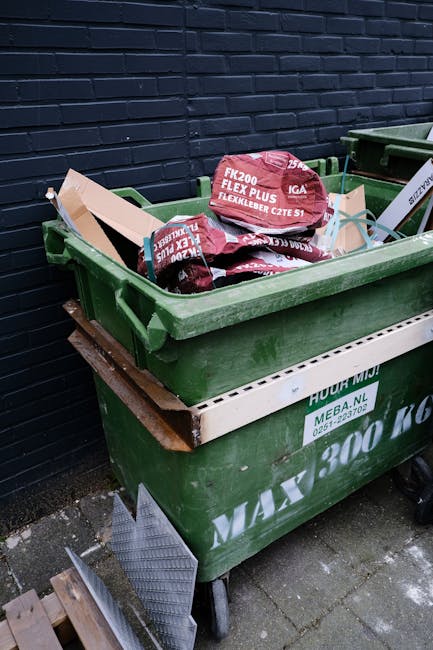
If you run a shop on Clapham High Street, you already know how quickly clutter can creep in.
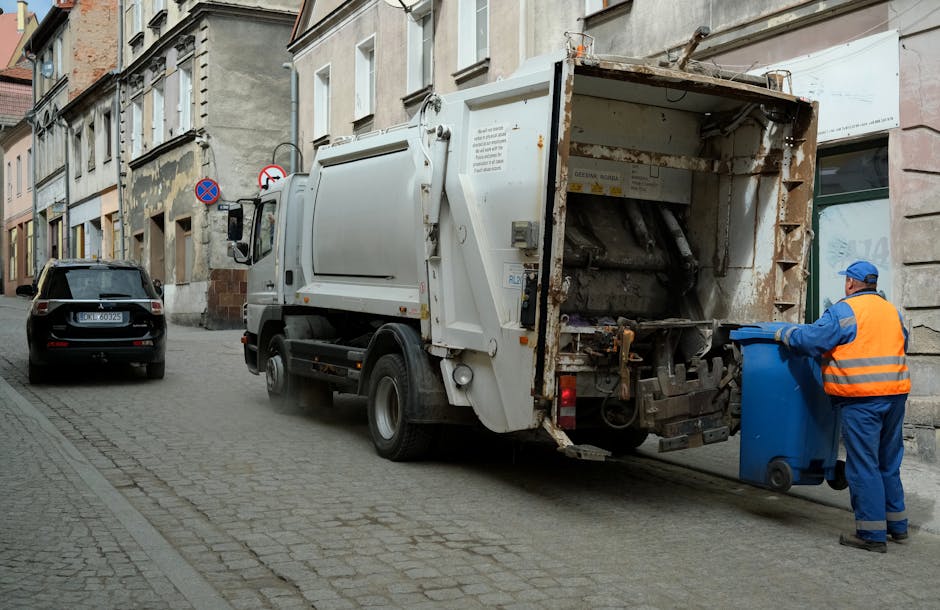
If you live near Clapham Common, you already know how quickly clutter can build up.

Clapham, a vibrant district nestled in Southwest London, has become a hotspot for real estate...

Located in the London Borough of Lambeth, Clapham has become a sought-after location for both...
Introduction The process of waste removal can be complicated, as it involves many different steps...

The picturesque area of Clapham, situated in south-west London, is a popular choice for...

Nestled in the vibrant borough of Lambeth, Clapham is a popular residential and commercial area...

Located in South West London, Clapham is teeming with vibrant nightlife, scenic venues, and...

 (94)
(94)
Please fill out the form below to send us an email and we will get back to you as soon as possible.