Clapham Common rubbish removal local guide for residents
Posted on 20/06/2026
If you live near Clapham Common, you already know how quickly clutter can build up. One minute it's a broken chair, a few flat-pack boxes, and an old hedge trimmer in the hallway; the next, the spare room starts looking like a storage unit with ambitions. This Clapham Common rubbish removal local guide for residents is here to make the whole process feel simpler, safer, and a bit less annoying.
Whether you're clearing out after a move, replacing furniture, tidying a garden, or dealing with builders' debris, the right rubbish removal approach saves time and avoids the usual headaches. In this guide, you'll get a clear look at how local waste collection works, what to check before booking, where the common mistakes happen, and how to choose a service that feels trustworthy rather than rushed. Let's face it, nobody wants a pile of rubbish sitting outside all weekend.
Expert summary: The smartest rubbish removal plans are the boring ones done well: sort items early, separate anything hazardous, compare like-for-like quotes, and use a licensed operator who can explain where your waste will go. Simple, not fancy.
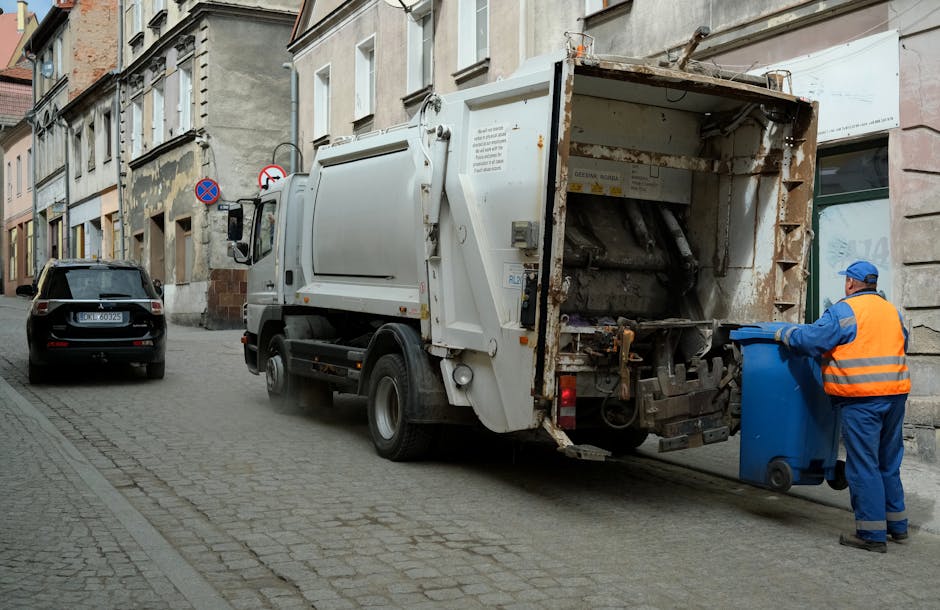
Contents
- Why Clapham Common rubbish removal local guide for residents matters
- How Clapham Common rubbish removal local guide for residents works
- Key benefits and practical advantages
- Who this is for and when it makes sense
- Step-by-step guidance
- Expert tips for better results
- Common mistakes to avoid
- Tools, resources and recommendations
- Law, compliance, standards, or best practice
- Options, methods, or comparison table
- Case study or real-world example
- Practical checklist
- Conclusion
- Frequently asked questions
Why Clapham Common rubbish removal local guide for residents matters
Clapham Common is one of those places where homes, flats, terraces, and busy shared buildings all sit close together. That sounds lovely, and it is, but it also means waste can become visible fast. A sofa left in the wrong spot, a builder's bag on a narrow pavement, or an overfull bin area can create friction with neighbours pretty quickly.
This is why local rubbish removal is more than a convenience service. It helps residents keep entrances clear, manage shared spaces, and deal with bulky or awkward items that the usual household bins simply can't handle. If you've ever tried to angle a mattress down a tight staircase at 7am while the coffee is still brewing, you'll know the feeling.
It also matters because not all rubbish is equal. A few cardboard boxes are one thing. Fridges, paint tins, rubble, soil, and mixed renovation waste are another. Different items need different handling, and making the right call early can stop a small job turning into a messy one.
For many residents, the real value is peace of mind. You know the waste is being removed properly, you avoid multiple trips to a disposal site, and you reduce the chance of accidental damage in hallways, lifts, or communal entrances. That sounds obvious, but in practice it makes a big difference.
If you want a fuller sense of how the local business works behind the scenes, the company's services overview and about us pages are useful starting points for understanding the approach and expectations.
How Clapham Common rubbish removal local guide for residents works
Most rubbish removal jobs in Clapham Common follow a straightforward process. The details vary a little depending on the waste type and access, but the basic flow is usually the same.
1. You identify what needs to go
Start by grouping items into broad categories: general household waste, furniture, white goods, garden waste, builders' rubble, and anything potentially hazardous. This matters because pricing and handling are usually based on waste type, volume, and lifting complexity.
2. You request a quote
Good quotes should be clear about what is included. Are labour, loading, and disposal covered? Is there a surcharge for heavy items or difficult access? If you are comparing operators, do not just chase the lowest number. A cheap quote with vague wording often becomes an expensive lesson later. If you're pricing up a clear-out, the pricing and quotes page is a practical place to understand what transparent quoting should look like.
3. Collection is scheduled
For residents near Clapham Common, access can shape the timing. Shared entrances, parking restrictions, and busy roads all play a part. A good provider will ask sensible questions about parking, stairs, lift access, and item location. That's a good sign, by the way. It means they're thinking ahead instead of guessing.
4. Waste is loaded and removed
On the day, the team should load the waste safely and keep disruption low. For flats, that often means protecting common areas and moving items carefully through corridors. For houses, it might simply mean a quick carry-out from the front room or garden.
5. Sorting, recycling, and disposal happen off-site
What happens next is the part many residents never see. Reputable operators sort waste for reuse, recycling, or disposal according to accepted practice. If you care about reducing landfill, it is worth asking how recyclable materials are handled. The company's recycling and sustainability information is relevant here.
Key benefits and practical advantages
There are quite a few reasons residents in and around Clapham Common use rubbish removal instead of trying to handle everything themselves.
- Speed: A team can remove bulky waste in one visit rather than stretching the job over several weekends.
- Less stress: No hiring a van, no lifting heavy items down stairs, no second-guessing the disposal rules.
- Better for awkward items: Sofas, wardrobes, washing machines, broken exercise equipment, and renovation waste are hard to move safely without help.
- Cleaner shared spaces: Useful for flats, mews houses, and homes with narrow access where rubbish can block pathways.
- Reduced risk of damage: Doors, walls, bannisters, and floors tend to survive better when handled by people who do this daily.
- Improved compliance: Licensed operators are expected to handle waste properly, which matters if you don't want your rubbish ending up somewhere it should not.
There's also a less obvious benefit: decision fatigue. Once a pile of unwanted stuff starts growing, it becomes one more thing on your list every time you walk past it. Clearing it out restores a bit of order, and honestly that can feel surprisingly good. Small win, but a real one.
Key takeaway: The best rubbish removal service is not just the one that takes rubbish away. It is the one that makes the process calm, clear, and properly managed from first quote to final load-out.
Who this is for and when it makes sense
This guide is useful for a wide mix of Clapham Common residents. You might be a homeowner, a renter in a top-floor flat, a landlord between tenancies, or someone moving into a new property and dealing with the aftermath of somebody else's stuff. Happens all the time.
Typical situations where rubbish removal makes sense
- House decluttering: Old furniture, boxes, broken household items, and unwanted storage clutter.
- After a move: Packaging, damaged items, leftover fittings, and things you decided not to bring with you.
- End-of-tenancy clear-outs: Good for tenants, landlords, and managing agents who need a property emptied quickly.
- Renovation projects: Plasterboard, timber, tiles, and mixed builders' waste.
- Garden tidy-ups: Branches, soil, hedge cuttings, old pots, and outdoor waste.
- Appliance replacement: Fridges, freezers, ovens, and washing machines.
- Full or partial house clearance: Estate clearance, downsizing, or preparing a property for sale.
If you are a resident looking at a larger clear-out, it can help to compare specific service types. For example, domestic waste collection in Clapham suits household rubbish, while house clearance services are a better fit for bigger, more layered jobs. A single sofa is not the same as clearing an entire loft. Obvious, but worth saying.
Step-by-step guidance
Here is a practical way to organise rubbish removal without making it harder than it needs to be.
- Walk through every room
Look for items that are broken, duplicate, unused, or simply in the way. Be ruthless for ten minutes. That often achieves more than an hour of overthinking.
- Split waste into categories
Group furniture, general rubbish, garden waste, appliances, and building debris separately. This helps with both quoting and disposal planning.
- Check for restrictions
Some items need special handling. Paint, chemicals, gas canisters, and certain electrical items should be flagged early. Don't hide them in a corner and hope for the best. That creates problems later.
- Measure access
Note stairs, shared hallways, parking limits, lift access, and any narrow entry points. A quick video or a few photos can be very helpful.
- Get a clear quote
Ask what's included, whether labour is part of the price, and how the provider handles recycling or disposal. If the quote feels fuzzy, ask follow-up questions. That's not being difficult. That's being sensible.
- Prepare the waste in advance
Move items to one area if you can, but do not block exits or shared access routes. Keep safe passage clear.
- Confirm safety and compliance details
A reputable operator should be able to explain how they manage waste responsibly and safely. If that conversation feels evasive, pay attention.
- Be present, if possible
If you can, be around at collection time so you can point out anything awkward and confirm the final load.
Expert tips for better results
After enough clear-outs, a few patterns become pretty clear.
Be honest about volume
People often under-estimate how much space their rubbish takes up. A couple of bulky chairs and some bags can suddenly become a half-van load. If you can stack it in one place before taking photos, do that. You'll get a much more useful quote.
Separate high-effort items from light waste
Heavy appliances, mixed renovation waste, and multiple flights of stairs usually change the job more than a pile of bags does. If you mention those items early, you avoid awkward surprises.
Think about timing around neighbours
In Clapham Common, shared living can mean thin walls and close neighbours. Early morning collections may be efficient, but a loud load-out next to someone's bedroom window can be a poor start to the day. Mid-morning is often easier, though access and parking still rule the schedule.
Choose the service type that fits the job
A garden tidy-up, a sofa removal, and a full house clearance are related, but they are not the same job. Matching the service to the waste helps the provider plan properly and usually gives you better value.
Keep a little extra margin
If you are clearing a room for a sale or renovation, leave yourself a buffer day. Things often take longer than expected because of one awkward cupboard or that mysterious box nobody wanted to open. You know the one.
For more context on specialist jobs, it can be useful to look at furniture removal, garden waste removal, builders' waste removal, and appliance disposal depending on what you need cleared.

Common mistakes to avoid
Most problems with rubbish removal are avoidable. The pattern is usually a mix of rushing, unclear communication, and not checking the basics.
- Booking on price alone: A very low quote can hide exclusions or extra charges.
- Not declaring awkward items: Heavy, hazardous, or unusual items can change the job significantly.
- Leaving waste in the wrong place: Don't assume communal areas are fair game. They are not.
- Failing to check access: Stairs, parking, and lift constraints matter more than people think.
- Mixing waste types carelessly: Garden waste, rubble, and household rubbish may need different handling.
- Ignoring compliance questions: If a company cannot explain how it operates legally and safely, that's a red flag.
- Leaving everything until the last minute: This is the classic one. Suddenly the van is due in an hour and the loft is still full.
There's a useful rule of thumb: if you think, "I'll sort that later," later usually arrives with a little drama attached.
Tools, resources and recommendations
You do not need special equipment to arrange rubbish removal, but a few simple tools make the process easier.
- Phone camera: Take clear photos of each pile from a distance and close-up.
- Rough inventory list: A quick note of what is included stops misunderstandings.
- Tape measure: Helpful for larger furniture and awkward access points.
- Bin bags and boxes: Useful for corralling smaller items before collection.
- Gloves and basic cleaning supplies: Handy if you are sorting through dusty lofts, sheds, or storage cupboards.
- Label stickers or masking tape: Great for identifying items to keep, donate, or remove.
For residents who want to understand the provider side better, the company pages on waste carrier licence and compliance, insurance and safety, and payment and security are especially useful. They help you judge whether the service feels properly organised rather than improvised.
And if you want a broader feel for the wider local context, these reads can be helpful: Clapham living: an insider's perspective, Clapham area guide, and where to host a party in Clapham. Not directly about waste, of course, but still useful for understanding local life and property rhythms.
Law, compliance, standards, or best practice
Rubbish removal is one of those jobs where the boring parts matter. A lot. Residents do not need to become waste law experts, but it helps to know the basics.
In the UK, waste should be handled by a responsible operator that can demonstrate proper compliance. For residents, the practical takeaway is simple: do not hand your rubbish to someone who cannot explain how it is collected, transferred, and disposed of. If waste is fly-tipped or mishandled, the original owner can sometimes end up with problems they never wanted.
Best practice usually includes:
- using a properly authorised waste carrier;
- keeping waste transfer details where appropriate;
- separating recyclable material from general waste where possible;
- handling electricals and appliances with care;
- keeping hazardous materials out of mixed loads unless the provider has confirmed they can take them;
- making sure vehicles, loading, and lifting are done safely in shared residential spaces.
If you are comparing providers, it is reasonable to ask about licensing, insurance, and how they manage duty of care. That is not overkill. It is just being sensible about who takes possession of your waste. The company's terms and conditions and privacy policy are also worth reading if you want to understand the practical details of booking and data handling.
For jobs that involve business premises or mixed-use properties near the Common, commercial waste removal may be a better fit than a standard domestic collection. That distinction matters more than people think, especially when the waste stream includes packaging, office clear-outs, or stockroom debris.
Options, methods, or comparison table
Residents usually choose between a few common routes. Each has its place, and the best option depends on time, waste type, and access.
| Method | Best for | Pros | Trade-offs |
|---|---|---|---|
| Self-removal | Small loads, flexible schedules, basic household items | Can be cheaper if you already have transport | Time-consuming, heavy lifting, disposal rules can be confusing |
| Skip hire | Longer projects, renovation waste, ongoing clear-outs | Useful for gradual filling, good for major works | Needs space, permits may be an issue, loading is still your job |
| Man-and-van rubbish removal | Mixed waste, bulky items, one-off clearances | Fast, labour included, minimal hassle | Cost depends on volume and access, schedule is less flexible than self-removal |
| Specialist item collection | Appliances, furniture, garden waste, large single items | Targeted service, often efficient for one category of waste | May not suit mixed loads or whole-property clear-outs |
In practice, many residents around Clapham Common end up choosing man-and-van removal for the balance it offers. It is usually the sweet spot between convenience and cost, especially when the job is too big for household disposal but too small to justify a full skip.
Case study or real-world example
A typical Clapham Common scenario goes like this. A couple moves out of a first-floor flat after buying a place nearby. The new home is great, but the old flat has accumulated a bit of everything: a sagging sofa, a broken bedside table, cardboard from the move, and two appliances that were never worth repairing.
At first, they think they can do it themselves over two weekends. Then they remember the narrow staircase, the parking restrictions, and the fact that one of the appliances is heavier than it looks. Fair enough. So they take photos, make a simple list, and book a removal slot for mid-morning on a weekday.
The team arrives, checks access, protects the route through the hallway, and clears the load in one visit. Because the waste was grouped and described properly, there is no awkward haggling on the doorstep. The flat is emptied, the lift is not scratched, and the couple gets to move on without spending the entire weekend negotiating with broken furniture. Which, frankly, is a better use of time.
That kind of job is not dramatic. It is just well handled. And that is usually what residents want most.
Practical checklist
Use this simple checklist before booking rubbish removal in Clapham Common.
- List every item or waste pile that needs removing.
- Separate furniture, appliances, garden waste, builders' debris, and general rubbish.
- Take clear photos of the waste and the access route.
- Measure anything unusually large or awkward.
- Check whether any items need special handling.
- Confirm where the waste is located in the property.
- Ask what is included in the price.
- Check whether loading, labour, and disposal are covered.
- Ask about recycling and responsible disposal.
- Make sure access routes are clear on the day.
- Keep valuables, paperwork, and personal items away from the clearance area.
- Read the booking terms before you confirm.
If you can do those twelve things, you are already ahead of most people. No drama, just a cleaner result.
Conclusion
Clapham Common rubbish removal is really about making everyday life easier. For residents, the best outcome is a service that fits local access, handles the waste type properly, and keeps the process smooth from first enquiry to final sweep-up. Whether you are dealing with a single sofa or a bigger household clear-out, a clear plan saves time and takes pressure off the day.
Think about what you need removed, be honest about the access, and choose a provider that feels transparent about pricing, compliance, safety, and recycling. That is the difference between a job that feels chaotic and one that feels pleasantly uneventful. And honestly, uneventful is a win here.
Get a free quote today and see how much you can save.
When the clutter is gone, the room feels bigger, the air feels lighter, and you can finally get on with the good stuff. That's the bit people remember.