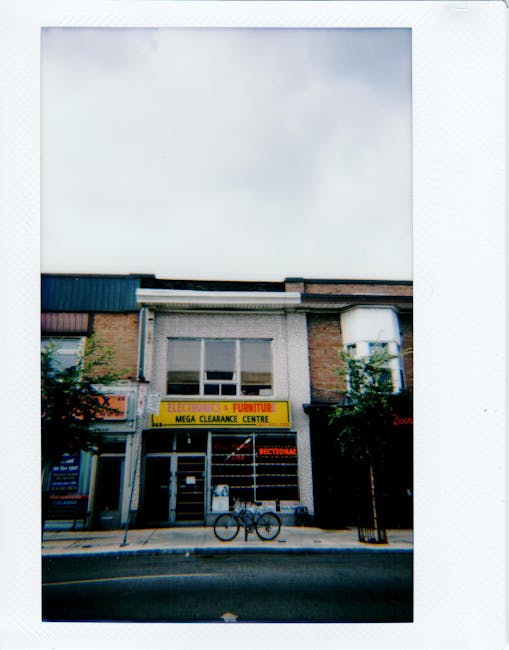
Clapham High Street shop rubbish clearance before and after
Posted on 03/07/2026
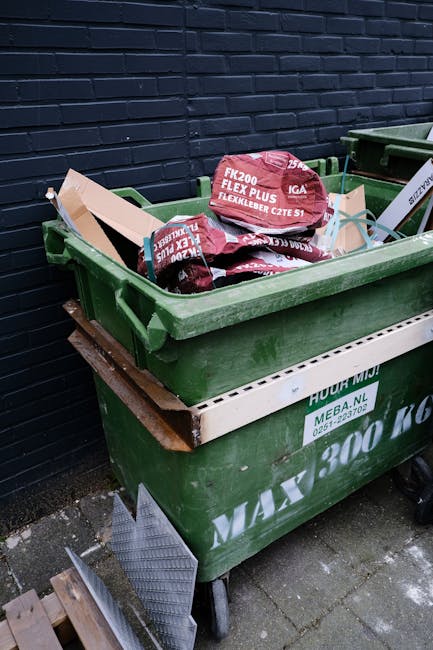
Clapham High Street Shop Rubbish Clearance Before and After: A Practical Local Guide
If you run a shop on Clapham High Street, you already know how quickly clutter can creep in. One delivery turn-up too many, a storage cupboard that became a dumping ground, broken display units, old packaging, and suddenly the back room feels like it is closing in on you. Clapham High Street shop rubbish clearance before and after is really about more than tidying up. It is about restoring usable space, improving presentation, and making day-to-day operations less of a scramble.
This guide walks through what a proper shop clearance looks like, how the before-and-after process works, what to watch out for, and how to get a result that feels clean, efficient, and commercially sensible. You will also find a checklist, a comparison table, and a realistic example from a typical high street retail job. No fluff. Just the stuff that helps.
Why Clapham High Street shop rubbish clearance before and after Matters
The before-and-after part matters because retail space is visual. Customers notice the entrance, the window display, the back-of-house area if they are allowed to peek, and even the tone of the shop as they step in. A cluttered environment can make a business look rushed, disorganised, or simply not ready. And to be fair, that impression can stick faster than you would like.
On a busy street like Clapham High Street, the first impression happens in seconds. If your shop has old stock piled up near the till, torn packaging in the corridor, or broken furniture waiting for "later", it sends a message. A clear-out changes that message immediately. It can make the business feel calmer, cleaner, and more open for trade.
There is also the practical side. Clearance removes obstacles that slow staff down. Less time moving around junk means more time serving customers, restocking shelves, or preparing for deliveries. That sounds obvious, but in a real shop environment the difference can be surprisingly large. One tiny storage improvement can save frustration every single day.
Key takeaway: a good shop clearance is not just about taking rubbish away; it is about turning awkward, wasted space into useful working space again.
If the clearance is part of a larger business refresh, it can sit neatly alongside broader commercial planning and waste handling. Some shop owners review their wider setup at the same time by looking at the full range of available waste removal services or checking the basics of commercial waste removal in Clapham. That is often the moment where the messy little problems finally get sorted properly.
How Clapham High Street shop rubbish clearance before and after Works
The process is usually straightforward, but it works best when it is planned. The "before" stage is about assessing what is actually there: packaging waste, damaged shelving, old stock, display units, office clutter, worn furniture, or mixed rubbish from a refit. The "after" stage is the visible result, but the real work happens in the middle.
Most shop clearances follow a pattern:
- a quick assessment of the waste load and access points
- separating items that can be reused, recycled, or disposed of
- removing bulky items safely from the shop
- loading and transporting waste to the appropriate facility
- leaving the premises swept through and ready for the next step
That last point matters more than people think. A "clearance" that leaves dust, broken fragments, and stray packaging behind is only half-done. A proper job should leave the room ready for cleaning, merchandising, stock rotation, or handover. You want the after photo to feel like a reset, not a compromise.
Depending on the business, the work may be a one-off removal or part of a staged project. For example, a corner shop might need a fast back-room clearance after a stock build-up, while a fashion retailer may need a full strip-out of old fixtures before a refit. The details change, but the logic stays the same: remove the burden first, then rebuild the space with intention.
If the clearance involves older stock, damaged fittings, or appliances, it is sensible to think about specialist disposal routes too. In some cases, furniture removal or white goods and appliance disposal becomes part of the job, rather than an add-on.
Key Benefits and Practical Advantages
The obvious benefit is space. But the real value is what that space does for the business once it is free again.
- Better customer presentation: a clear shop feels more trustworthy and easier to browse.
- Safer working conditions: fewer trip hazards, fewer blocked walkways, and less shifting clutter.
- Improved staff morale: people work better in a tidy environment. No great mystery there.
- Easier stock handling: deliveries, storage, and retrieval all become simpler.
- More flexibility: you can change layout, refresh displays, or prepare for refurbishment.
- Cleaner handover: useful if you are changing tenant, closing, or preparing a premises for sale or rent.
There is a commercial benefit too. A better-looking space can help customers stay longer, browse more calmly, and judge the shop as more organised. That does not guarantee sales, of course. But in retail, small environmental signals count for a lot.
Another practical advantage is that you can catch issues early. During a proper clearance, you may discover damaged flooring behind a cabinet, water stains, pest-access gaps, or simply the fact that a "temporary" pile has become permanent. Not glamorous, but useful. Very useful.
For businesses thinking about cost control and planning, it can also help to review pricing and quote guidance before booking, so you know what affects the final figure and what information is worth having ready. A clear brief usually means a smoother job.
Who This Is For and When It Makes Sense
This kind of clearance is useful for a wide range of Clapham High Street businesses. It is not only for shops that are closing. In fact, many of the best results come from active businesses that simply need to get on top of accumulated waste before it starts affecting trade.
- independent retailers clearing back-room clutter
- shops preparing for a rebrand or refit
- leaseholders getting ready for inspections or handover
- owners clearing after an overstocked season
- businesses disposing of broken furniture or old fixtures
- premises that need a refresh after renovations
It also makes sense when space has stopped being flexible. If boxes are stacked everywhere, staff are constantly moving things just to get through, or the shop looks tired before customers even reach the counter, the clearance has probably already become overdue.
One thing people sometimes underestimate is timing. Do you clear before a campaign launch, or after the last busy trading week? In our experience, the answer depends on how much disruption you can tolerate. If the shop is already under pressure, a short, focused clearance can be easier than letting the mess grow another month. That is the honest version.
Retailers who want a broader business refresh sometimes also look at who is handling the work and whether the team understands commercial premises, access, and safety expectations. That reassurance matters when you are letting people into a live shop environment.
Step-by-Step Guidance
Here is a practical way to approach a Clapham High Street shop rubbish clearance before and after project without making it feel like a mountain.
- Walk the space properly. Start with a full look at the shop floor, stockroom, corridor, basement if there is one, and any back-office areas. Note what is rubbish, what might be reusable, and what needs special handling.
- Separate the obvious categories. Cardboard, soft waste, broken fixtures, old stock, furniture, and electrical items should be identified early. It saves time later.
- Decide what stays. Be ruthless but sensible. If an item is taking space and has no future use, it is probably costing you more than you think.
- Check access and timing. High street access can be awkward. Think about loading points, parking limitations, delivery windows, and whether the clearance must happen before opening or after close.
- Book the right type of removal. A shop clearance may need commercial waste handling, bulky item removal, or mixed-load disposal depending on what is involved.
- Clear in stages if needed. Large premises often work better with a back-room first pass, then front-of-house, then fixture removal.
- Finish with a visual reset. Sweep the space, check corners, and take the "after" photos only once the place is genuinely ready.
A decent before-and-after result is not accidental. It is usually the product of one calm plan and a few practical decisions made in the right order. Nothing fancy. Just a tidy sequence.
If the job includes leftover building debris or refit waste, it may help to read about builders waste removal in Clapham. Shops undergoing a makeover often end up with a mixed pile, and that needs a sensible approach.
Expert Tips for Better Results
Small decisions make a big difference on busy commercial streets. Here are the tips that tend to save time, money, and a bit of stress.
- Photograph the space before the clearance starts. It helps with planning and gives you a simple way to compare the result.
- Label reusable items clearly. If something is going to storage, label it before the clearance team arrives. Otherwise, it can get mixed in with waste. Happens more than you'd think.
- Keep staff away from the loading path. High street jobs can feel busy and narrow. Fewer people wandering around means fewer delays.
- Be honest about hidden waste. If there is a basement, ceiling void, or locked cupboard full of old stock, mention it early. Surprises slow everything down.
- Think about recycling before disposal. Cardboard, metal, and some fittings may be suitable for recovery if they are separated cleanly.
- Plan around opening hours. A 7 a.m. slot can be a lifesaver for shops that need to stay customer-ready all day.
Another useful habit: do not wait for the mess to become "a project". Once people begin saying, "we should really sort that cupboard", it is usually already time. Let's face it, clutter does not improve itself overnight. It just quietly multiplies.
For owners who care about responsible disposal, reviewing recycling and sustainability practices can be a smart move. Even a modest amount of sorting can improve what happens to the load after it leaves the shop.
Common Mistakes to Avoid
Most problems with shop clearance come from rushing or underestimating the amount of work. The job looks smaller from the doorway than it does once someone starts lifting boxes and opening cupboards.
- Leaving the sort-out until the last minute. This creates confusion and often results in perfectly usable items being thrown away.
- Mixing waste types without thinking. Mixed loads are harder to handle and can be less efficient to process.
- Ignoring access constraints. If the van cannot park close enough, everything slows down. High street realities are rarely forgiving.
- Forgetting about safety. Heavy mirrors, broken shelves, and awkward appliances can cause real trouble if handled badly.
- Not checking what should be kept. A misplaced clearance can remove stock records, signs, or reusable display parts. Annoying, and completely avoidable.
- Booking the wrong scale of service. A tiny van and a huge shop are not a good fit. Equally, overbooking can waste money.
The easy mistake is to focus only on the rubbish pile. The better approach is to think about the whole working environment: what needs to be removed, what needs to stay accessible, and what has to happen afterwards. That is how the after photo becomes more than just empty floor.
If your clearance is tied to a change of premises or lease event, it may also be worth looking at selling real estate in Clapham and buying property in Clapham for a broader sense of how property decisions and commercial presentation can overlap. Different topic, yes, but related in a practical way.
Tools, Resources and Recommendations
You do not need a mountain of equipment to make a shop clearance work. Still, the right basics make things cleaner and faster.
- Clear labels or tape: useful for marking keep, remove, recycle, and relocate.
- Heavy-duty bags or boxes: handy for lighter mixed waste and packaging.
- Protective gloves: especially where broken fittings or rough packaging are involved.
- Measuring tape: helps when assessing bulky items, door widths, or access routes.
- Camera phone: before-and-after documentation is simple and genuinely useful.
- Basic plan of the shop: even a rough sketch can help divide the work into zones.
For a business owner, the most useful resource is often clarity. Know what is being removed, where it is coming from, and what the final space should do. A shop clearance done without that picture can feel vague and disjointed. A shop clearance done with a clear outcome in mind tends to look much better at the end.
You may also want to review insurance and safety information before letting any clearance work begin. Shops can contain tight turns, fragile fixtures, and public-facing areas, so safe handling is not a side issue. It is the job.
Law, Compliance, Standards, or Best Practice
For commercial rubbish clearance, compliance should be taken seriously, even when the job looks routine. In the UK, waste must be handled responsibly, and businesses should make sure the people taking it away are properly authorised to do so. That is not something to gloss over. It protects the business, the premises, and the trail of responsibility after the load leaves.
Best practice usually means using a properly registered waste carrier, keeping records where needed, and separating hazardous or specialist waste from normal shop rubbish. Some materials require extra care, especially electrical items, chemicals, or anything that may present a safety risk. If a shop has old stock or fittings that are unusual, ask before loading. Simple question, big difference.
For a clear explanation of that side of things, many readers find it useful to review waste carrier licence and compliance details. It helps to understand what responsible collection should look like and why it matters for commercial premises.
There is also a practical fairness issue. If you are clearing a shop in a public-facing location, you want the job handled neatly, discreetly, and without causing unnecessary disruption. That is part legal caution, part customer respect. Both matter.
Where a clearance overlaps with staff welfare or site risk, standard safety practices should apply: careful lifting, clear walkways, sensible stacking, and proper handling of anything sharp or heavy. Nothing dramatic, just solid working habits. Boring in the best possible way.
Options, Methods, or Comparison Table
There are a few ways to clear shop rubbish. The right one depends on volume, urgency, access, and how much sorting you want to do yourself.
| Method | Best for | Advantages | Limitations |
|---|---|---|---|
| DIY clearance | Very small amounts of waste and light clutter | Low direct cost, full control over sorting | Time-consuming, labour-heavy, access and transport can be awkward |
| Scheduled commercial waste collection | Regular business waste and steady volumes | Good for ongoing routines and predictability | Less suitable for one-off bulky clear-outs |
| One-off shop clearance | Refits, shutdowns, stockroom resets, bulky mixed waste | Fast, efficient, tailored to the actual site | Needs accurate planning so nothing is missed |
| Specialist item removal | Furniture, appliances, display fittings, unusual items | Better handling for bulky or awkward objects | May need separate planning for different item types |
For most busy shops, a one-off clearance is the most sensible when the aim is a visible before-and-after improvement. It is direct, it clears the space quickly, and it reduces the temptation to leave awkward pieces behind "for later".
If the space contains worn seating, counters, or shelving, it can help to combine the clearance with furniture removal support rather than treating those items as an afterthought. The end result is usually cleaner and easier to manage.
Case Study or Real-World Example
Here is a realistic example, based on the kind of shop clearance that happens regularly on a busy London high street.
A small independent retailer near Clapham High Street had built up years of unused packaging, broken display units, old stock boxes, and a few damaged fixtures in the back room. Customers never saw most of it, but staff had to step around it every day. It was one of those spaces where a single trip through the door felt a bit like threading a needle.
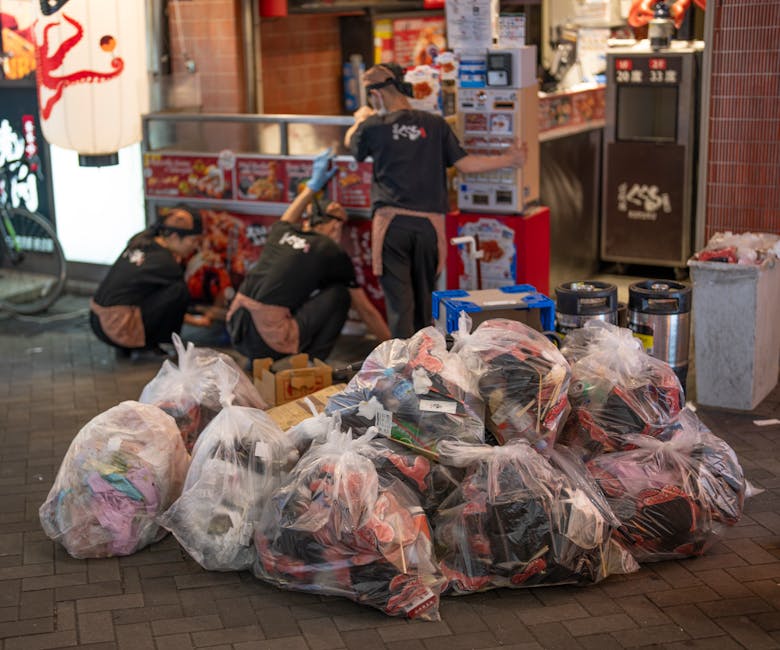
The before stage was messy but familiar: cardboard stacked too high, a couple of wobbling shelves, a broken counter panel, and several bags of mixed rubbish that had clearly been waiting for a better day. The owners did not need a dramatic shop refit. They needed breathing room.
The clearance plan focused on three zones: front display overflow, back-room storage, and bulky fixtures. Reusable items were separated first. Waste was then removed in a sequence that kept the walkways open. By the end, the space looked wider, calmer, and much easier to move through. The after effect was not just visual. Staff could access stock quickly, and the back room stopped feeling like a problem every time somebody opened the door.
That is the point, really. A good clearance does not merely make the place look nice for ten minutes. It changes how the shop functions after the job is done. More space, less friction. Simple as that.
Practical Checklist
Use this checklist before booking or starting a clearance. It will save you awkward surprises later.
- identify exactly which areas need clearing
- separate rubbish from reusable stock or fittings
- note any bulky or heavy items
- check access, parking, and loading restrictions
- confirm opening hours and best collection time
- flag anything fragile, sharp, or awkwardly placed
- remove personal documents or sensitive business paperwork
- decide whether furniture or appliances need special removal
- make sure the team knows what should stay
- take before photos for reference and planning
- prepare a clear finish point for the after stage
If you only do one thing from this list, do the sorting properly first. It sounds boring, but it is the bit that prevents most mistakes.
Get a free quote today and see how much you can save.
If you are also thinking about wider business planning on the high street, it can help to understand the local area a bit better. Articles like Clapham living: an insider's perspective and uncovering the hidden gems of Clapham give useful context about how busy, varied, and commercially active the area can be.
Conclusion
Clapham High Street shop rubbish clearance before and after is really about regaining control of your space. A cluttered shop can make work harder, slow staff down, and quietly chip away at the way the business feels. A properly handled clearance changes that fast. The space looks better, functions better, and usually feels better too.
Whether you are preparing for a refit, dealing with old stock, or simply trying to stop the back room from turning into a storage graveyard, the main idea is the same: plan the removal carefully, handle compliance sensibly, and finish with a proper reset. The result can be surprisingly satisfying. Fresh, even. A bit of a relief, honestly.
And if the job feels overdue, that is probably because it is. No shame in that. The important thing is getting it done well and leaving the shop ready for whatever comes next.