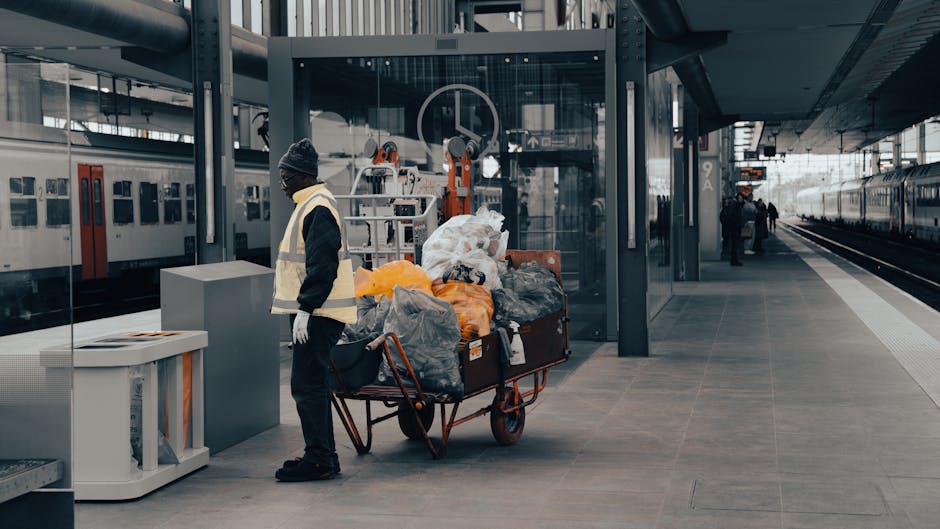
Clapham North station access problems for rubbish removal jobs
Posted on 26/08/2026
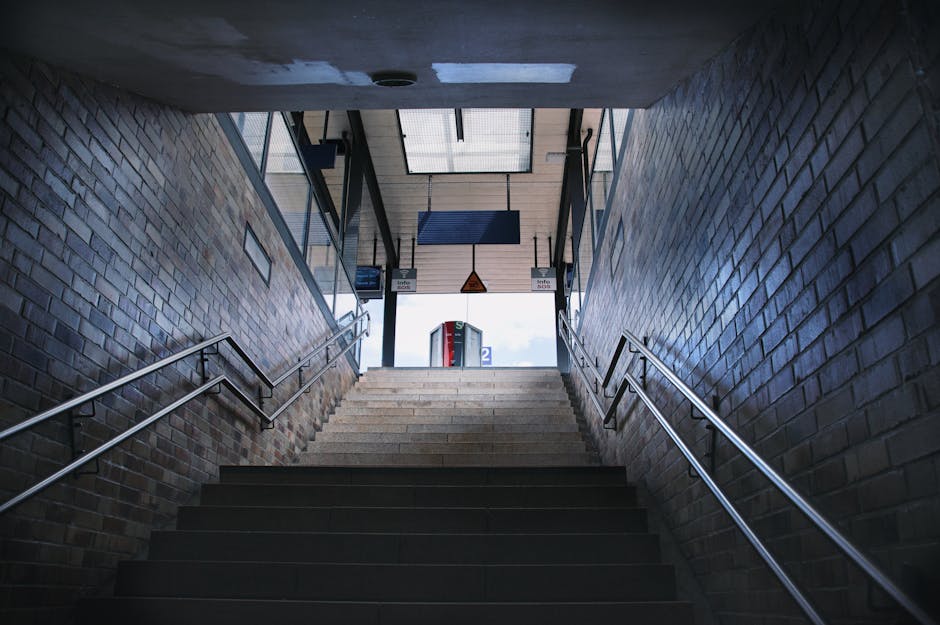
If you have ever tried to organise a rubbish removal job near Clapham North station, you will know it can look simple on a map and then become awkward in real life. Tight streets, busy junctions, narrow pavements, commuter footfall, limited stopping space, and the usual London "just one minute" that somehow becomes ten can all turn a straightforward collection into a small logistical puzzle. That is exactly why Clapham North station access problems for rubbish removal jobs matter: not just for speed, but for safety, pricing, timing, and how smoothly the whole clearance goes.
This guide breaks the issue down in plain English. You will see where access tends to go wrong, what good planning looks like, how crews work around it, and which practical choices save time and stress. We will also cover compliance, common mistakes, and a simple checklist you can use before booking. No fluff. Just the kind of detail that helps when you are standing outside with a sofa, a few builders' bags, and a van that cannot quite get where it needs to be. To be fair, that happens more often than people think.
Why Clapham North station access problems for rubbish removal jobs Matters
Access sounds like a small detail until it becomes the detail that holds everything up. Around Clapham North station, the issue is rarely one single obstacle. It is the combination of things: traffic on busy roads, people coming and going from the station, awkward kerb space, delivery vehicles competing for the same patch of road, and properties where the front door is not especially close to a safe loading point.
For rubbish removal, that affects almost every part of the job. If a van cannot stop close enough, crews may need extra carrying distance. If the pavement is crowded, loading takes longer and requires more care. If parking is uncertain, the team may need to arrive earlier, wait longer, or split the job into smaller lifts. That means more labour time, more risk of delays, and sometimes a different quote than the customer expected.
There is also the human side. A resident might be trying to clear a flat before a move. A shop might need packaging waste removed before opening. A landlord could be dealing with abandoned furniture after a tenancy ends. In each case, access issues are not abstract. They affect whether the rubbish is gone before a deadline, whether neighbours are disturbed, and whether the team can work without blocking the street. And around a station area, people notice everything. Everything.
For nearby householders and businesses, it is useful to understand that access planning is not about making the job sound complicated. It is about preventing avoidable problems. A good rubbish removal service should ask the right questions in advance, then match the vehicle, crew size, and collection method to the actual site conditions.
How Clapham North station access problems for rubbish removal jobs Works
In practice, a rubbish removal job near Clapham North station starts long before the van arrives. The planning stage usually decides whether the collection will feel easy or slightly chaotic. A sensible crew will look at the type of waste, likely carrying distance, parking options, building access, and whether the job needs more than one person to move bulky items safely.
Here is the basic flow:
- Initial assessment. The customer explains what needs clearing, where the waste is located, and what the access looks like. A photo or two can help a lot.
- Route and parking planning. The crew considers where the vehicle can legally and safely stop, especially if station traffic or loading restrictions make access tight.
- Load strategy. The team decides whether to use sacks, hand trucks, lifting straps, or a smaller vehicle if the street is awkward.
- Collection and loading. Items are moved from the property to the vehicle, usually in organised lifts rather than rushed trips.
- Sorting and disposal. Waste is separated where possible, with recyclable items handled separately in line with the company's usual process. You can read more about that approach on recycling and sustainability.
The key point is that access problems change the working method. A team may need to park further away and walk waste out, or they may need to schedule at a quieter time of day. For a flat on a narrow road, a two-person team can be the difference between a smooth collection and a painfully slow one.
Clapham North is also the kind of place where timing matters more than people expect. A 20-minute job at 9:30 a.m. can become a 40-minute job at 8:20 a.m. if commuters are still flowing around the station and the kerb space is already spoken for. That is not dramatic. It is just London, really.
Key Benefits and Practical Advantages
When access is managed properly, everybody wins. It sounds obvious, but there is a reason the smooth jobs feel so much easier than the rough ones. Good planning near Clapham North brings several practical benefits.
- Less delay. A crew that knows where it can stop and how far it must carry waste can finish faster.
- Safer handling. Better access reduces rushed lifting, awkward turns, and the temptation to drag items where they should be carried.
- More accurate pricing. Quotes are more reliable when the access conditions are clear from the start. If you want a sense of how quotes are normally handled, see pricing and quotes.
- Less disturbance. Efficient loading means less blocking of pavements and entrances, which matters in a station area.
- Better outcomes for mixed waste. When access is organised, teams can sort furniture, appliances, garden waste, and builders' debris more effectively.
There is a commercial side too. For landlords, agents, and business owners, a predictable clearance helps avoid knock-on delays. If an office, shop, or rental property near the station needs clearing between occupiers, access planning can save an entire afternoon of faff. And let us face it, no one enjoys faff.
Another benefit is trust. A crew that asks about access before arrival tends to be a crew that also pays attention to safety, licensing, and disposal standards. That sort of detail tells you a lot. If you are comparing providers, it is worth looking at their general services overview and how they describe handling, safety, and waste movements. The job is not just "take stuff away"; it is "take stuff away properly".
Who This Is For and When It Makes Sense
This topic is most relevant for people who are dealing with property or business waste near Clapham North station, especially where access is tight or inconsistent. That includes:
- Residents in flats above shops or along busy residential roads
- Landlords clearing after a tenancy
- Estate agents arranging pre-sale or pre-let clearance
- Small businesses disposing of packaging, stock waste, or old fixtures
- Contractors dealing with builders' waste in a constrained street
- Households removing bulky items such as sofas, wardrobes, fridges, or mattresses
It also makes sense when timing is critical. Maybe you have a move-out deadline. Maybe the bin storage area is full. Maybe you need a same-day or next-day collection and there is simply no room for error. In those situations, access planning is not a nice-to-have. It is essential.
A quick real-world example: a top-floor flat near the station has a bulky sofa and old shelving to remove. The building has a narrow stairwell and no lift. If the crew turns up with a vehicle sized for easy kerbside loading but cannot park close enough, the job becomes slower and more labour-heavy. The smarter move is to flag access early so the team can decide whether to send extra manpower, use a smaller van, or schedule for a quieter time. Small detail, big difference.
If you are a homeowner, the issue may feel temporary. If you are a business, it can be recurring. Either way, the same rule applies: better access information leads to a better collection.
Step-by-Step Guidance
Here is a practical way to handle rubbish removal jobs where Clapham North station access is not ideal.
- Describe the access honestly. Don't assume the crew will "figure it out". Tell them whether the property is on a busy road, up steps, behind a locked gate, or in a building with a narrow hallway.
- Measure the obvious trouble spots. Note stair widths, lift size, doorway width, and any tight turns. If a wardrobe already had to be rotated to get into the room, that is useful information.
- Check parking and loading possibilities. Think about whether a vehicle can stop nearby without causing problems. Station-adjacent streets may be busy at certain times, so timing matters.
- Separate the waste if possible. Put furniture, appliances, bagged rubbish, and recycling into rough groups. That helps the team work faster on arrival.
- Remove obvious obstacles. Move bikes, prams, plant pots, and loose items out of hallways or shared entrances. It sounds trivial, but it saves real minutes.
- Send photos before the job. A couple of clear images from the entrance, staircase, and waste pile are often more useful than a long description.
- Confirm the timing. If the street is known to be quieter after rush hour or later in the day, mention that. Around Clapham North, timing can be half the battle.
- Ask how the team handles access problems. A good provider will explain whether they use two-person lifts, smaller vehicles, or a staged loading plan.
One more thing: if the job involves mixed waste or commercial material, check the disposal route in advance. For business waste especially, proper handling matters. A useful starting point is waste carrier licence and compliance, which explains the kind of standards a legitimate operator should be able to meet.
Expert Tips for Better Results
After enough collections, you start to notice a pattern. The jobs that go well are almost always the ones where the customer and the crew are looking at the same problem from the same angle. A few practical tips make a surprisingly big difference.
- Book with access, not just waste type, in mind. A sofa is not just a sofa if it has to come down three flights of stairs and across a narrow frontage.
- Avoid peak congestion where possible. If the area around the station is especially active in the morning, ask for a slightly later collection window.
- Use photos to reduce guesswork. A picture of the stairwell or loading point can save a lot of back-and-forth.
- Keep the route clear before arrival. If the collection point is buried behind other items, the team loses time just getting to the waste.
- Consider splitting the job. For some properties, two smaller collections are easier than one huge one. Not always, but sometimes yes.
- Ask about insurance and safe working practice. For heavier or awkward items, this is not a boring admin question. It is a sensible one. See insurance and safety for the sort of reassurance worth checking.
Here is the slightly unglamorous truth: good rubbish removal often looks boring when it works well. No shouting, no blocking the pavement, no guessing whether a fridge will fit through the doorway. The best jobs are the ones where everyone can get on with their day without drama.
If you are clearing a property for sale or a new tenancy, it can also help to line the removal up with other prep work. A tidy space is easier to inspect and photograph. You might find the broader local context useful in posts like selling real estate in Clapham or buying property in Clapham, depending on where you are in the process.
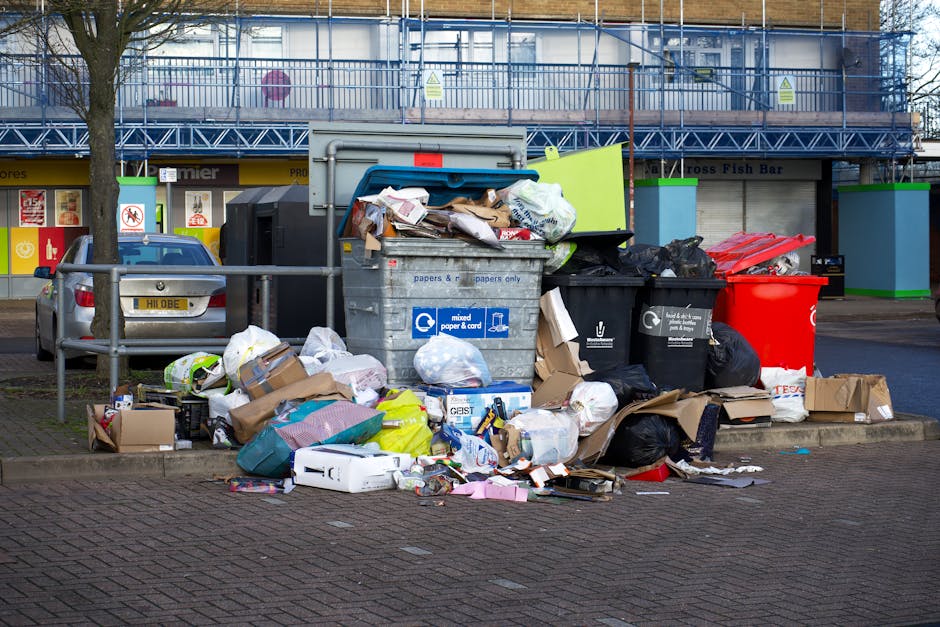
Common Mistakes to Avoid
Most access problems are not disasters. They are just preventable annoyances that snowball when nobody addresses them early enough.
- Assuming the van can stop anywhere. In reality, stopping space near Clapham North may be limited.
- Underestimating carrying distance. Ten metres can feel like fifty when you are carrying a wardrobe.
- Forgetting stair or lift constraints. The waste may be easy to remove from the room but hard to get out of the building.
- Booking too close to peak commuter times. Busy station areas are not the place for optimistic scheduling.
- Not warning about heavy or awkward items. Fridges, mattresses, dismantled wardrobes, and construction rubble all behave differently.
- Leaving access notes until the last minute. That is how small jobs become stressful ones.
Another mistake is treating all rubbish removal services as interchangeable. They are not. Some teams are better at domestic flat clearances, some handle commercial waste more comfortably, and some specialise in bulky items or builders' debris. If you want a broader view of options, the domestic waste collection Clapham, furniture removal Clapham, builders waste removal Clapham, house clearance Clapham, and white goods and appliance disposal Clapham pages show how different job types are usually approached.
And one small human one: don't say "it's just a couple of things" if it is actually a sofa, a broken dresser, three bags of rubble, and a mystery item that weighs far more than it should. We have all seen that sentence before. It rarely ends there.
Tools, Resources and Recommendations
You do not need fancy equipment to deal with access problems, but the right basics make a collection far easier.
| Tool or resource | Why it helps | Best use case |
|---|---|---|
| Phone camera | Shows stairwells, entrances, and loading points clearly | Quick quoting and access assessment |
| Measuring tape | Checks widths, turns, and doorway clearance | Bulky furniture and appliance removal |
| Labels or marker pen | Keeps recycling, reuse, and waste streams organised | Mixed domestic or office clearances |
| Work gloves | Gives better grip and basic hand protection | Moving rough or awkward materials |
| Sack barrow or trolley | Reduces carrying strain over longer distances | Jobs with limited kerb access |
If you are arranging clearance for a business, a shop, or a managed property, it is sensible to read the broader pages on commercial waste removal Clapham and about us so you know who is handling the job and how they work. For residents, a local guide such as Clapham Common rubbish removal can help you think through nearby logistics, even if your exact street is different.
It is also worth checking how a provider deals with payments and booking admin. If that matters to you, see payment and security and the terms and conditions so expectations are clear before anyone turns up at the kerb.
Law, Compliance, Standards, or Best Practice
Access planning is not only about convenience. It sits alongside basic legal and operational duties that any responsible waste carrier should treat seriously. In the UK, rubbish removal companies are generally expected to handle waste responsibly, avoid unsafe loading, and make sure material goes to appropriate disposal or recycling routes. The details can vary by job, but the principle stays the same: the waste should be moved safely and lawfully.
For customers, the important practical checks are straightforward. Make sure the company can explain its waste carrier status, has sensible safety procedures, and is transparent about what happens to the waste. If a collection involves a narrow stair, shared hallway, or awkward roadside loading point, the operator should be thinking about risk before they are thinking about speed.
Best practice also means minimising nuisance. Around a station area, that means not blocking pavements, not leaving items in shared access routes, and not creating unnecessary obstruction for pedestrians, cyclists, or neighbours. If the job needs more time, it should be planned that way rather than rushed in a way that makes everybody miserable.
For households and businesses with accessibility concerns, there is another layer to think about: safe entry, safe exit, and clear communication. If you need to understand the site's accessibility approach more broadly, the accessibility statement is a useful reference point. You can also review privacy policy and cookie policy if you are dealing with online booking or enquiry forms and want to know how data is handled.
A final compliance note: if the property is being cleared as part of a larger project, make sure contractors know who is responsible for what. Waste left in the wrong place can become a safety issue very quickly. Not dramatic, just true.
Options, Methods, or Comparison Table
There is more than one way to deal with access problems near Clapham North. The best method depends on the waste type, the size of the job, and how awkward the site is.
| Method | Best for | Pros | Watch-outs |
|---|---|---|---|
| Kerbside loading | Streets with legal stopping space | Fast and efficient | Can fail if parking is tight or restricted |
| Hand-carry from property to van | Short to moderate carrying distances | Flexible and simple | Slower, especially with heavy items |
| Small vehicle access | Narrow roads or limited space | Better for awkward routes | May require more trips |
| Two-person or multi-person lift | Bulky furniture or stairs | Safer for heavy objects | More labour-intensive |
| Staged collection | Large clearances or mixed waste | Reduces pressure on one visit | Needs more coordination |
In simple terms, the more constrained the site, the more you want a flexible crew and a realistic timeframe. A tiny van is not always the answer, and a huge van is not always smart either. The "best" choice is the one that fits the street, not the one that looks most impressive on paper.
Case Study or Real-World Example
Here is a realistic example based on the kind of collection that comes up around Clapham North.
A tenant in a second-floor flat needed a partial clearance after moving out. The property was close enough to the station that the road stayed busy through the morning, and the building had a narrow staircase with a sharp turn on the landing. The customer initially thought it would be a quick one-man job. Once the access details were checked, it became clear that two people would be safer and faster, and that the van would need to stop a little further away than hoped. The team adjusted the arrival time, carried out a short pre-check, and loaded the bulky pieces in stages. No drama, no blocked hallway, no complaints from neighbours. The whole thing felt far less stressful than it might have done.
The lesson is simple. The first description is often incomplete, not because the customer is careless, but because access problems are easy to underestimate until you physically walk the route. A five-minute pre-assessment can save a lot of backtracking later.
That is why local knowledge helps. Someone who understands the area around Clapham North will usually know where the pinch points are, when the street gets busiest, and how to adapt without making the job feel overcomplicated.
Practical Checklist
Use this before you book a rubbish removal job near Clapham North station.
- Have I described the access clearly and honestly?
- Have I mentioned stairs, lifts, gates, and narrow hallways?
- Do I know where the vehicle is likely to stop?
- Have I thought about peak commuter times and street congestion?
- Are the bulky items easy to reach on the day?
- Have I sent photos of the route and the waste?
- Have I separated rubbish into rough categories where possible?
- Do I need a two-person lift or a smaller vehicle?
- Have I checked safety, licensing, and payment expectations?
- Is the collection timed to avoid stress, not just fit the diary?
If you can answer most of those with confidence, you are in good shape. If not, that is fine too. The whole point of planning is to spot the gaps before they become problems.
Get a free quote today and see how much you can save.
Conclusion
Clapham North station access problems for rubbish removal jobs are really about one thing: turning a potentially awkward clearance into a controlled, workable job. The area's traffic, pedestrian flow, limited stopping space, and mixed property types mean access needs to be thought through properly, not guessed at. When it is planned well, the job feels calmer, faster, and safer for everyone involved.
Whether you are clearing a flat, a shop, a rental, or a one-off bulky item, the smartest move is simple: be specific, be honest, and book with the access conditions in mind. That bit alone can save time, money, and quite a lot of frustration. And that, in a busy corner of London, is worth doing properly.
Sometimes the best clearance jobs are the ones nobody notices. The waste disappears, the pavement stays clear, and everyone gets on with the day. Nice when that happens.